
Most Americans — Including Trump Supporters — Want to Keep Funding This HIV Program

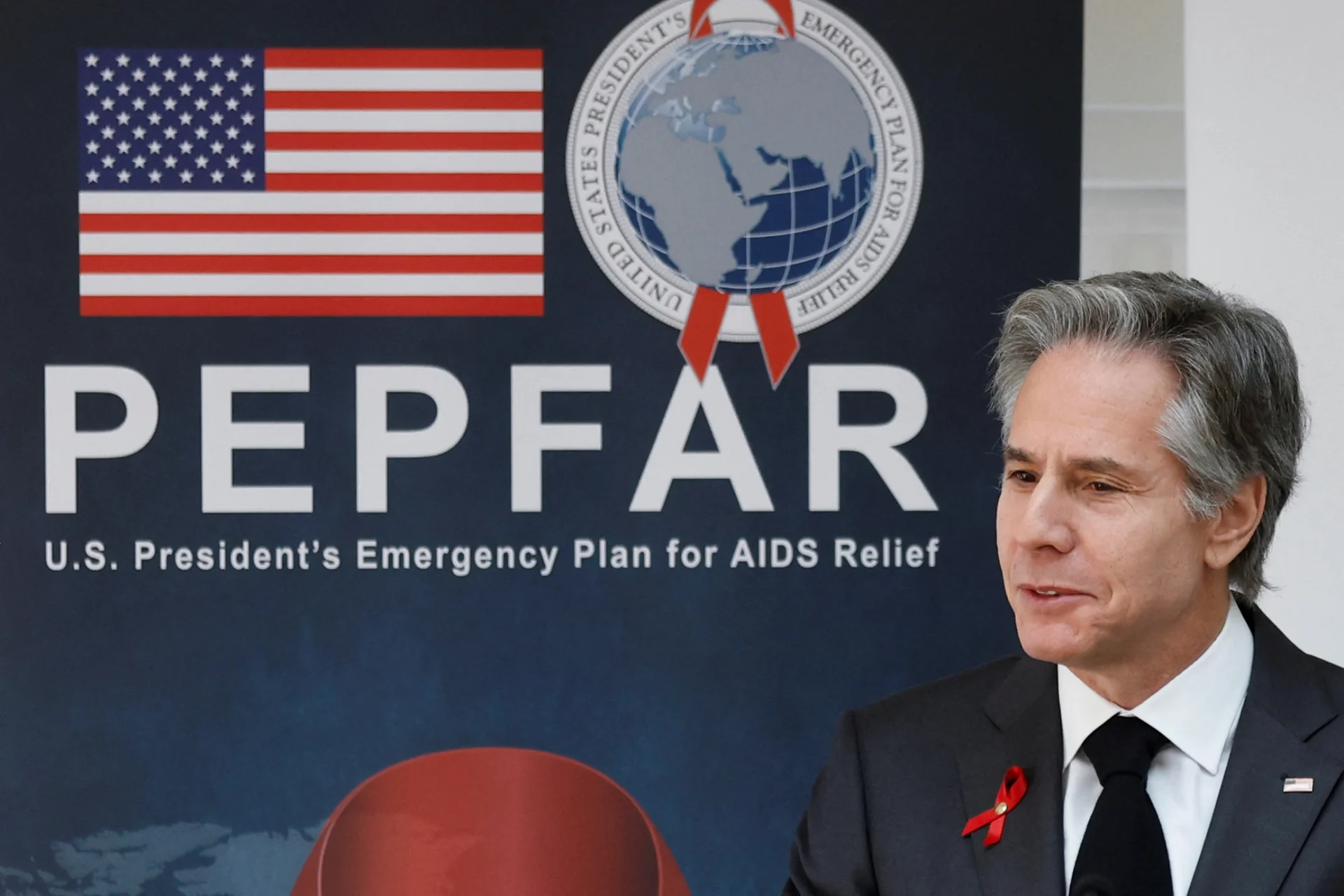
When it comes to U.S. foreign spending, Americans don't always agree — but a new poll suggests there's one program that cuts across political lines: PEPFAR, the U.S.-funded global AIDS relief effort that has saved millions of lives since it launched more than two decades ago. The numbers show that voters from both parties want to keep the money flowing, even as the current administration floats the idea of scaling back America's financial commitment.
Nearly three out of four likely midterm voters — 75% — say they support continued U.S. funding for the President's Emergency Plan for AIDS Relief, commonly known as PEPFAR. That finding comes from a poll conducted by McLaughlin and Associates, a Republican-leaning firm, on behalf of the Maiden Group, a consulting organization. Even among voters who supported former President Donald Trump, more than two-thirds said they back the program.
What Is PEPFAR and Why Does It Matter?
PEPFAR was created in 2003 under President George W. Bush and has since become one of the largest international health initiatives in U.S. history. The program funds HIV prevention, treatment, and care in dozens of countries, and advocates credit it with saving millions of lives around the world. Poll respondents said they particularly valued efforts the program funds to help children who have lost parents to AIDS and to protect teenage girls from trafficking and sexual violence.
Beyond expressing general support, a majority of those surveyed said the issue could affect how they vote. More than half said they would be less likely to support a congressional candidate who pushed to cut PEPFAR funding, a signal that the program carries real political weight heading into the next election cycle.
Budget Uncertainty Has Advocates Worried
The strong public backing comes at a time when PEPFAR's future funding is far from settled. The Trump administration has suggested that countries receiving PEPFAR assistance should begin covering a larger share of the costs themselves — a shift that HIV advocacy organizations warn could seriously weaken the program's reach and effectiveness. Adding to those concerns, the administration's proposed 2027 federal budget does not include a specific dollar amount for PEPFAR, breaking with the approach taken by previous administrations.
Congress, however, appears to be moving in a different direction. A report released by the House appropriations committee recommends roughly $5.5 billion for PEPFAR, and lawmakers were advancing budget plans that week that would maintain existing funding levels for the program.
The gap between the administration's approach and congressional intent — combined with the broad public support shown in polling — means the debate over PEPFAR's funding is likely to remain a live issue as budget negotiations continue on Capitol Hill.

