
Pope Leo XIV Calls for Peace on Easter as Trump Issues Fiery Warning to Iran

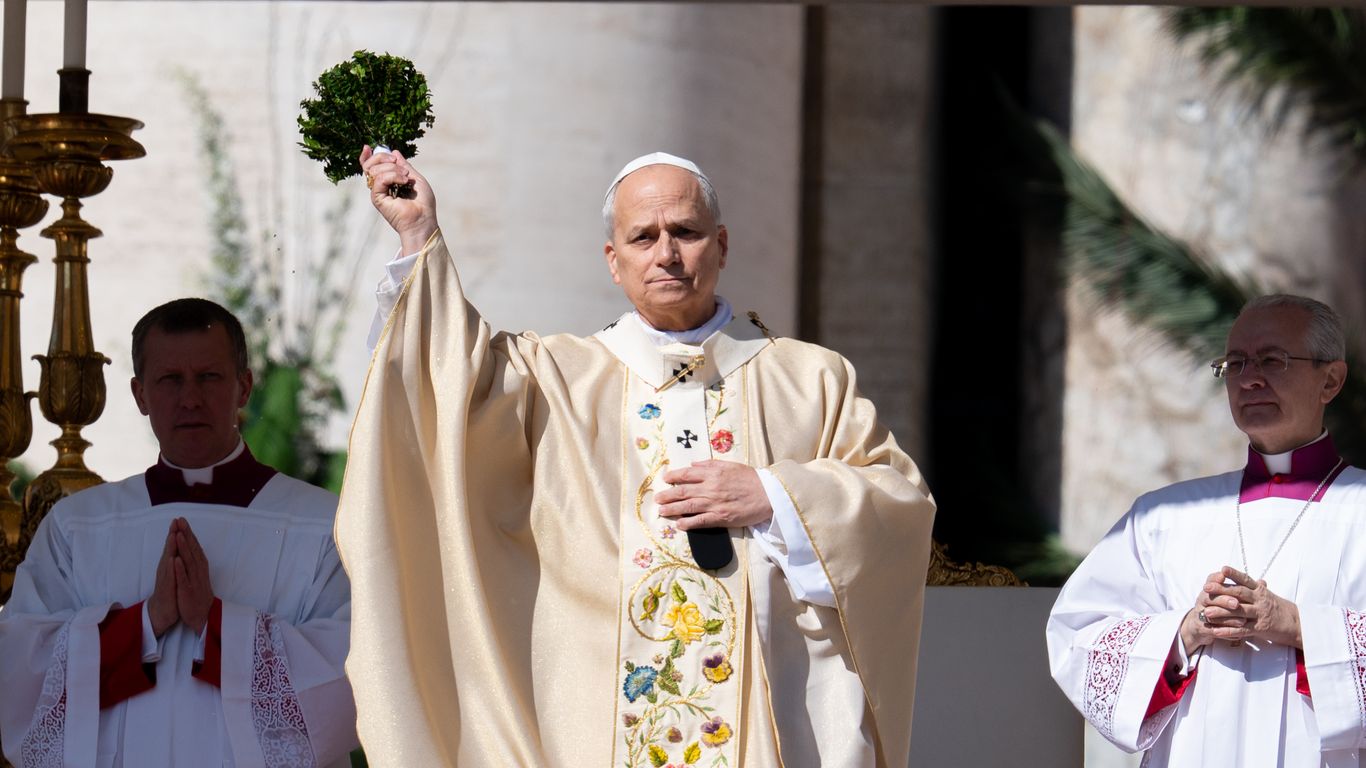
Easter Sunday this year carried a sharp contrast between two very different messages — one urging the world toward peace, and another threatening consequences unless a critical Middle East waterway is reopened. That divide placed religious leaders and the White House on opposite sides of a debate that millions of American Catholics are watching closely.
Pope Leo XIV, the first American-born pope in history, celebrated his first Easter mass on Sunday with a direct appeal to world leaders embroiled in conflict. His message was straightforward: lay down weapons and choose dialogue over domination. The remarks came as President Trump escalated his rhetoric toward Iran, posting a profanity-laced demand on social media that Tehran reopen the Strait of Hormuz, warning the country would be "living in Hell" if it refused.
The Strait of Hormuz is one of the world's most critical shipping lanes, and tensions over its status have become central to the ongoing Iran conflict. Trump has threatened to bomb bridges, energy facilities, water infrastructure, and oil assets inside Iran if no agreement is reached by Tuesday.
What the Pope Said
During his Easter address, Pope Leo urged the faithful to open themselves to the transformative power of Christ's love and spoke directly to those with the authority to wage war.
"Let us allow our hearts to be transformed by his immense love for us. Let those who have weapons lay them down. Let those who have the power to unleash wars choose peace! Not a peace imposed by force, but through dialogue! Not with the desire to dominate others, but to encounter them."
This is not the first time Leo has weighed in on the conflict. The pontiff has repeatedly spoken out against the Iran war, and U.S. Catholic leaders have voiced moral concerns about Trump administration policies on both the war and immigration. Just last week, during his Palm Sunday homily, Leo stated that Jesus "does not listen to the prayers of those who wage war, but rejects them."
A Military Archbishop Weighs In
Archbishop Timothy Broglio, who leads the Catholic Archdiocese for the Military Services USA, also spoke publicly on Easter Sunday. Appearing on CBS News' "Face the Nation," he acknowledged that Jesus "certainly brought a message of peace" and stated that armed conflict is "always" a last resort.
Broglio stopped short of condemning the administration outright, noting that officials may have had information he was not privy to. But he raised a pointed concern about framing the war in religious terms.
"But I do think that it's hard to cast this war, you know, as something that would be sponsored by the Lord."
He also said that Trump officials "may have information that led them to think" that war "was the only choice they had," adding that he couldn't pass judgment without knowing the full picture.
The White House Responds
White House press secretary Karoline Leavitt, who is Catholic, addressed the pope's earlier Palm Sunday remarks during a briefing last Monday. She pushed back on the suggestion that the administration's wartime posture conflicts with Christian values, pointing to a long history of prayer in the American military.
"We've seen presidents. We've seen the leaders of the Department of War, and we've seen our troops go to prayer during the most turbulent times in our nation's history."
Leavitt went on to defend the president's calls for prayer on behalf of service members.
"I don't think there's anything wrong with our military leaders or with the president calling on the American people to pray for our service members and those who are serving our country overseas. In fact, I think it's a very noble thing to do."
She added that troops themselves value that support.
"And if you talk to many service members, they will tell you they appreciate the prayers and support from the commander in chief and from his Cabinet."
The White House did not respond to a Sunday afternoon request for additional comment on the pope's Easter address.

